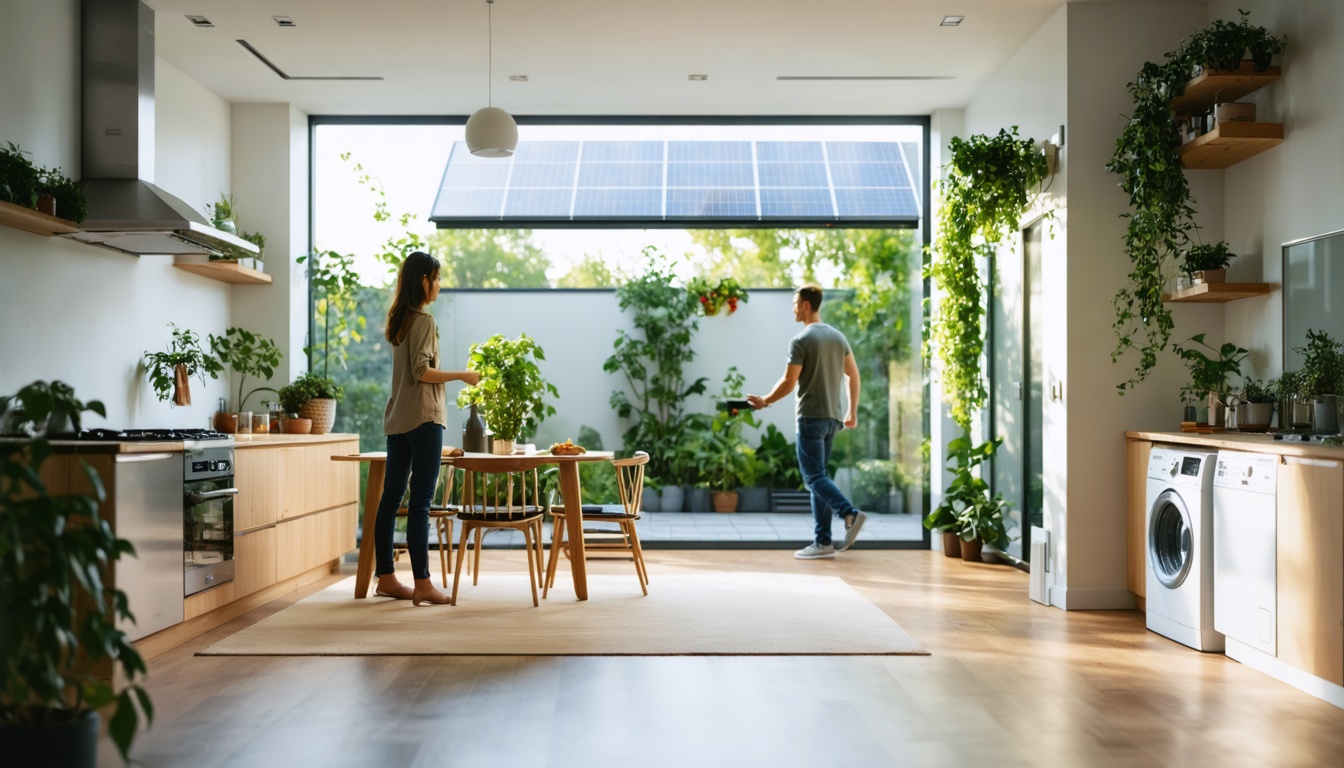
 How Smart Energy Habits Can Reduce Household Electricity WasteTo reduce household electricity waste and lower utility bills, it is effective to adjust how electricity is used in the home. Implementing small changes can have a significant impact on overall energy consumption. For example, turning off devices that are not in use can prevent unnecessary electricity expenditure. Additionally, upgrading to energy-efficient appliances can lead to reduced energy consumption over time, as these appliances are designed to use less power while maintaining performance. Incorporating smart technology can also support energy-saving efforts. Smart devices can provide automated solutions, such as scheduling when appliances operate or adjusting lighting based on occupancy. These technologies not only enhance convenience but also contribute to decreased energy waste. Making these adjustments does not necessarily require substantial financial investment or major lifestyle changes. Instead, focusing on developing specific energy-saving habits can result in noticeable reductions in household energy use. By identifying and implementing these practices, homeowners can effectively decrease their energy waste and potentially reduce their environmental impact. Reducing Standby Power and Unnecessary UsageMany household devices continue to draw electricity even when they are in standby mode, a phenomenon known as "phantom load." This can contribute significantly to overall energy consumption and utility costs. To address this issue, several practical measures can be undertaken. For example, unplugging chargers that are not in use, ensuring that lights are turned off in rooms that are not occupied, and utilizing smart power strips that automatically cut power to devices when they are not being actively used can all help reduce unnecessary energy usage. Additionally, upgrading to smart meters may furnish households with improved insights into their energy consumption patterns, thereby enabling more informed decisions regarding usage. Opting for energy-efficient appliances, which typically bear higher energy star ratings, can also help decrease energy expenses over time. Certain household appliances, particularly clothes dryers and water heaters, are known for their high energy consumption levels. To minimize the associated costs, it is advisable to reduce hot water usage where possible, enhance the insulation of the home, and comply with established industry standards for energy efficiency. By implementing these strategies, households have the potential to achieve substantial savings on their energy bills while also fostering increased awareness of energy conservation practices. Choosing Efficient Lighting SolutionsUpgrading lighting options is an effective strategy to lower household electricity consumption. The transition to LED bulbs is particularly noteworthy, as these bulbs consume significantly less energy compared to traditional incandescent bulbs and have a longer operational lifespan. Incorporating dimmable LED options allows for increased control over energy usage, aligning with contemporary industry standards. In addition to selecting energy-efficient bulbs, the implementation of smart power strips or timers can further enhance energy efficiency. These devices automatically turn off lights and other equipment when not in use, which can lead to additional reductions in electricity expenses. Furthermore, optimizing the placement of workspaces to utilize natural light from windows can decrease the dependency on electric lighting. This approach harnesses daylight, which can result in lower lighting requirements. Altogether, these measures can lead to reduced utility expenses and promote sustainable energy practices. By adopting these solutions, households can achieve more efficient energy consumption, thus contributing to broader efforts in energy conservation. Optimizing Laundry and Appliance UseOptimizing the use of laundry and household appliances can lead to a significant reduction in electricity consumption. It is efficient to operate washing machines and dishwashers at full capacity, as these appliances tend to consume a considerable amount of energy during each cycle. Using cold water for laundry can notably decrease energy costs associated with heating water, potentially resulting in annual savings of approximately $115. Additionally, air-drying clothes instead of using a clothes dryer can further improve energy efficiency. Replacing older appliances with newer models that have high energy efficiency ratings can also contribute to lower overall energy consumption. Implementing smart power strips is another effective method to manage electronic devices and reduce standby power usage. It is worth noting that auxiliary appliances, such as secondary refrigerators, can add to the operating costs and therefore influence overall energy bills. Adopting these strategies can assist households in enhancing their energy efficiency, ultimately leading to reduced utility expenses and a smaller environmental footprint. Managing Heating and Cooling with PrecisionEffective management of home heating and cooling systems can significantly reduce energy consumption and lower utility bills. For many households, energy use for heating and cooling constitutes a large portion of overall electricity and gas expenditures. Adopting specific practices can lead to observable savings. For optimal efficiency, maintaining thermostat settings at approximately 20°C during winter and above 26°C in summer is recommended. These temperature levels strike a balance between comfort and energy use. The implementation of technology, such as smart meters and programmable thermostats, further enhances energy management. These devices can automatically adjust or deactivate heating and cooling systems during periods of inactivity, thus minimizing unnecessary energy consumption. Proper home insulation is also essential in improving energy efficiency. Effective insulation maintains indoor temperatures by limiting the intrusion of cold air in winter and hot air in summer, thereby reducing the workload on heating and cooling systems. Additionally, utilizing fans can aid in air circulation, promoting even temperature distribution throughout the home and decreasing dependence on heating and cooling systems. This practice contributes to energy cost reductions and enhances the efficient operation of HVAC systems. In summary, implementing careful measures to manage heating and cooling systems can lead to significant improvements in energy efficiency and cost savings for households. Enhancing Kitchen Energy EfficiencyImplementing a structured approach to kitchen operations can lead to observable energy savings without sacrificing convenience. Simple modifications can reduce household energy consumption and lower utility costs. Maintaining recommended temperatures in refrigerators and freezers is one effective strategy to enhance their efficiency and reduce expenses. For optimal operation, refrigerators should generally be set at approximately 37°F (3°C), while freezers should be maintained at 0°F (-18°C). Utilizing a microwave oven instead of a conventional electric oven can offer significant energy savings. Microwaves usually consume less energy and are particularly efficient for reheating or preparing smaller quantities of food. Furthermore, allowing food to thaw in the refrigerator, rather than using methods that involve heat, can conserve energy in the cooking process. Covering pots and pans with lids is beneficial for heat retention, which can lead to shorter cooking times and decreased energy use. Batch cooking is another effective method to lower energy expenditure associated with cooking appliances, as it allows multiple meals to be prepared simultaneously rather than leveraging energy for cooking individual servings repeatedly. Incorporating energy-efficient appliances that have received Energy Star certification can further reduce energy costs. The use of LED light bulbs is also recommended, as they consume considerably less electricity compared to traditional incandescent bulbs. Additionally, employing smart power strips can help minimize unnecessary energy consumption by automatically cutting power to devices that are not in active use. By implementing these practical strategies, households can create a more energy-efficient kitchen, ultimately achieving lower energy bills without compromising on convenience. Tracking Consumption for Better Decision-MakingUnderstanding electricity consumption in the home is essential for identifying inefficiencies and managing costs. Reliable data is crucial for homeowners looking to reduce energy usage and expenses. The implementation of smart meters and plug-in electricity meters allows for the monitoring of energy consumption across various household appliances, such as water heaters, clothes dryers, and electronics, which can account for a significant portion of overall energy use. Additionally, smart power strips can help minimize standby energy consumption by automatically disconnecting devices that are not in use. Analyzing utility bills can provide insights into consumption patterns, allowing homeowners to recognize peak usage times, which can inform more strategic energy consumption decisions. Moreover, adopting specific behavioral changes, like turning off unnecessary lights or replacing traditional bulbs with energy-efficient LED bulbs, can lead to lower electricity costs. Frequent tracking of energy consumption enables households to enhance energy efficiency, ultimately resulting in reduced utility bills. These strategies are based on data-driven practices that help homeowners make informed decisions regarding their energy consumption. Upgrading and Incentivizing for Long-Term SavingsInvesting in modern, energy-efficient appliances and implementing strategic home upgrades can lead to notable long-term savings on energy costs. Upgrades such as installing Energy Star-rated appliances, utilizing LED lighting, and enhancing ceiling insulation can help households decrease energy consumption, which may result in lower utility bills. Moreover, various government programs support the adoption of solar energy, including resources like solarpanelsbronxnewyork.com, and set efficiency standards for water heaters, contributing to a reduced dependence on electricity and gas. In addition, adopting simple behavioral changes—such as turning off unnecessary lights, using fans to enhance heating and cooling efficiency, and incorporating smart power strips—can generate significant savings over time. The cumulative impact of these practices not only assists in maintaining manageable utility expenses but also supports wider industry and workforce initiatives focused on energy efficiency and sustainability. ConclusionAdopting smart energy habits can significantly reduce household electricity waste and lead to financial savings. Implementing straightforward practices, such as turning off devices when they are not in use, investing in energy-efficient appliances, and monitoring energy consumption, can have a measurable impact on energy expenditure. Research indicates that many households waste energy through devices left on standby and inefficient appliances. For example, it has been estimated that standby appliances account for around 5-10% of residential energy use. By being mindful of device usage and opting for ENERGY STAR-rated appliances, which consume less energy while in operation, households can improve their overall energy efficiency. Additionally, tracking energy consumption enables households to identify usage patterns and areas where energy is being wasted. This data can inform decisions on how to better manage energy use throughout the day, such as shifting high-energy tasks to off-peak times, which may also be cheaper depending on the utility provider's rate plan. Through these measures, households not only lower their utility bills but also contribute to reducing their environmental impact by minimizing energy consumption. Encouraging other household members to adopt similar habits can foster a culture of energy awareness, further enhancing the overall efficiency and sustainability of the home. |
|
|
|
|